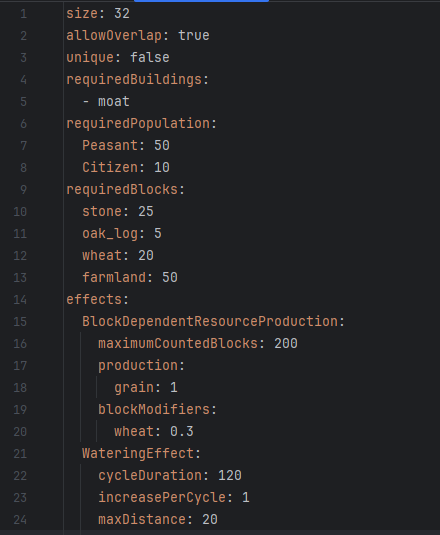
Project
- Project
- Erethon / Papyrus
- Role
- Developer, game designer, and project lead
- Status
- Closed alpha
Configurable game systems
The main technical work here is QuestsXL, a configurable scripting and content-authoring system for quests, events, world interactions, and instanced world state. Papyrus is the custom server foundation underneath it, including RPG systems and Paper fork work.
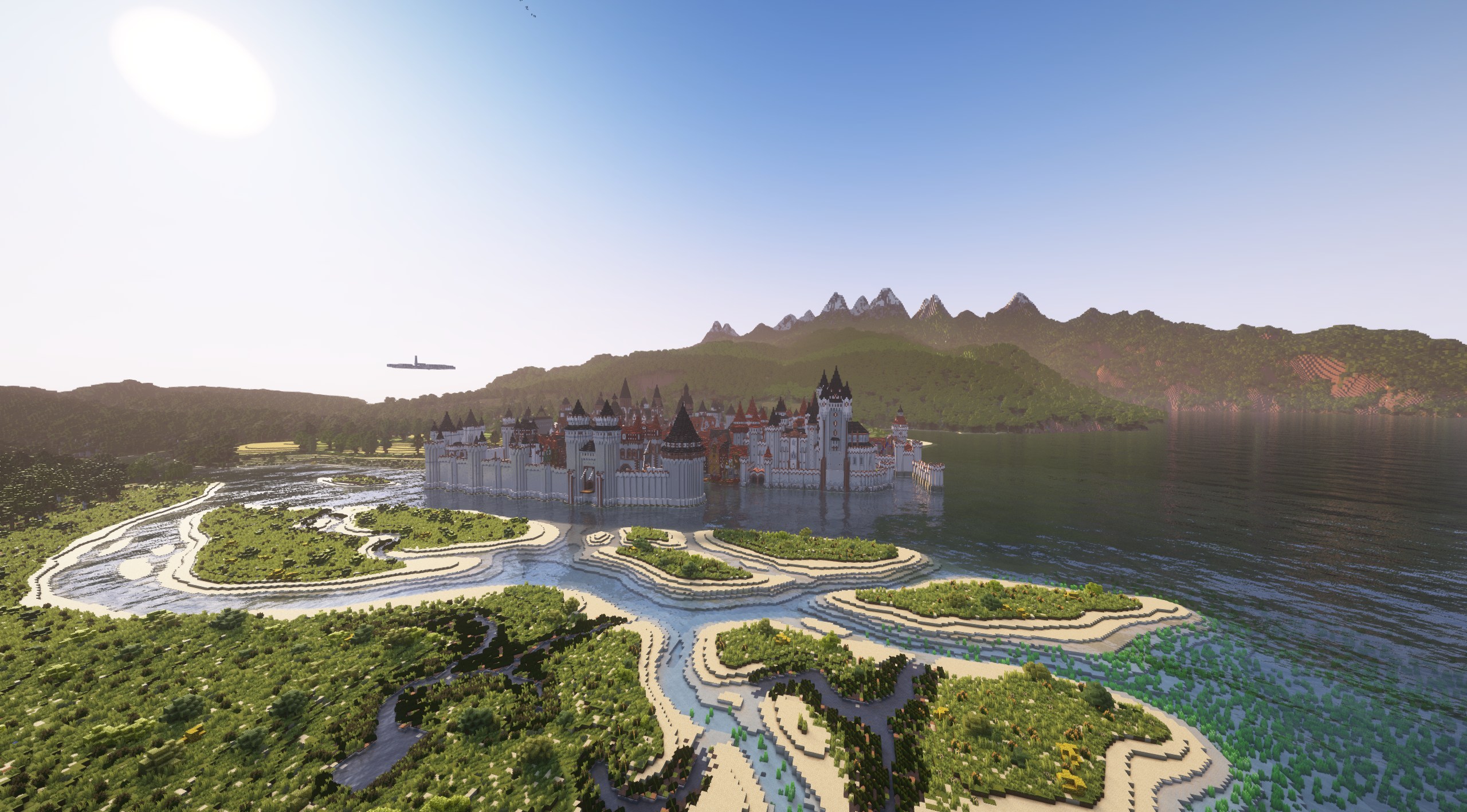
Project note
The important part is the authoring model: much of Erethon is built as configurable systems first, so content can be changed by designers instead of requiring developer intervention for every quest, mob, event, interaction, or economy tweak.
Process timeline
Content systems
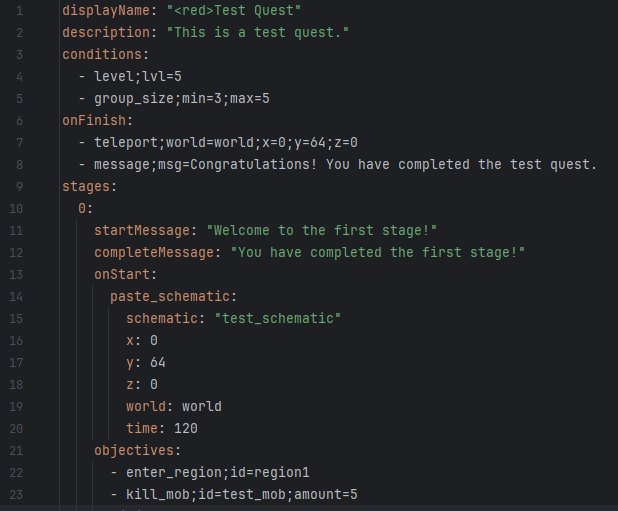
QuestsXL grew into a composable scripting system for quests and world events. Designers build content from actions, conditions, and objectives, with stages, callbacks, macros, runtime variables, math expressions, branching, and reusable snippets.
Quest and event content can be authored, adjusted, and extended through YAML while core behavior stays centralized and maintainable.
QXL events
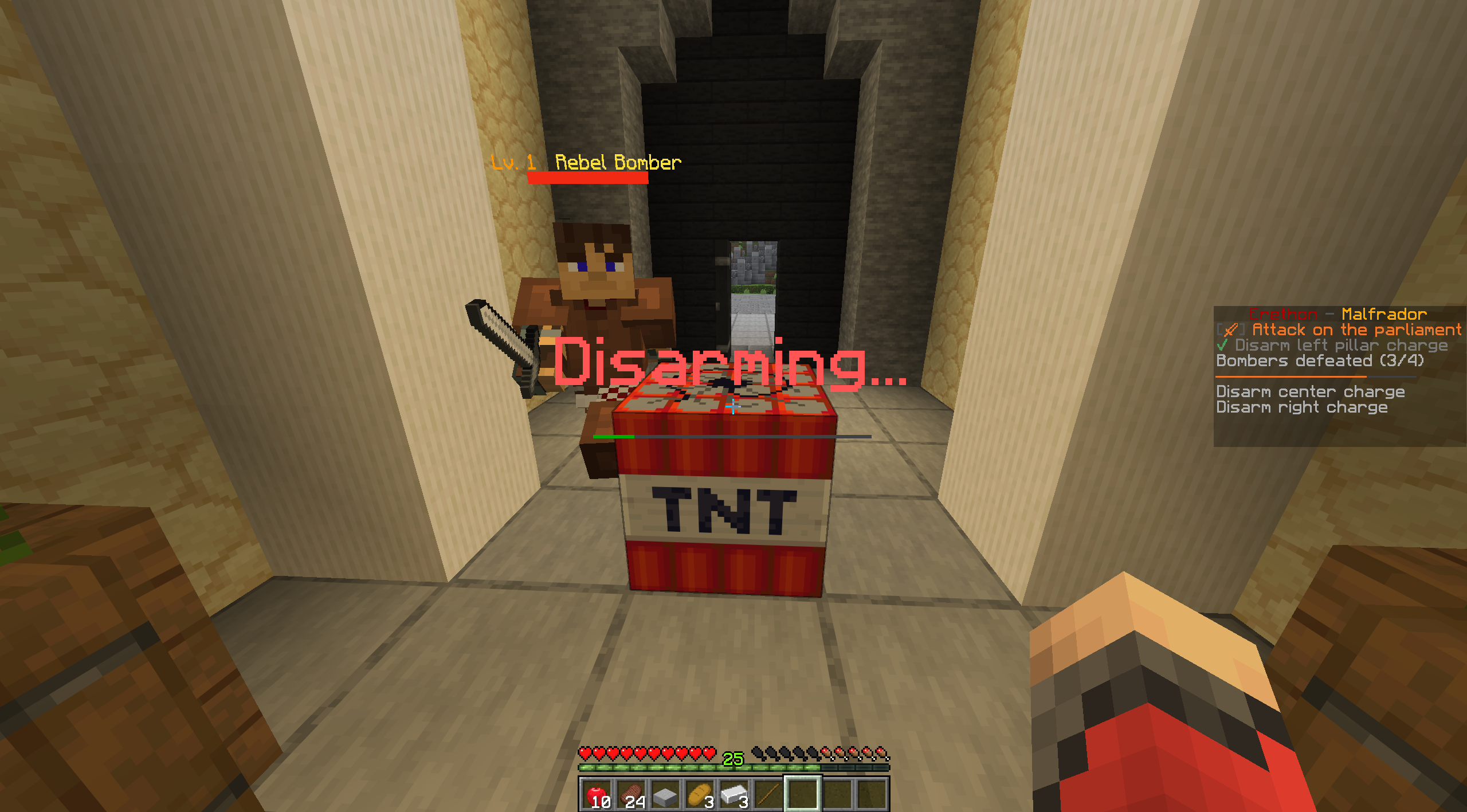
QXL events use the same stage/action/objective model as quests, but are bound to the world instead of one player. They can auto-start from conditions, update while active, track participation, give tiered rewards, chain into other events, and act as building blocks for larger meta-events.
Designers can build repeatable world activity without each event needing custom plugin code.
Authoring workflow
QXL also covers the surrounding world-content workflow: world interactions, daily and weekly quest rotations, regions, points of interest, instanced areas, and client-side block-state changes through Instanced Block Collections.
The tooling is not only for individual quests; it gives designers a broader content-authoring layer for the live world.
QXL authoring
The scripting layer supports macros, reusable reward snippets, runtime variables, score counters, optional objectives, manual stage progression, and command-triggered objectives. That makes it possible to build more complex content while keeping quest files readable.
QXL is less a quest plugin and more a small content scripting platform for the server.
Server engineering
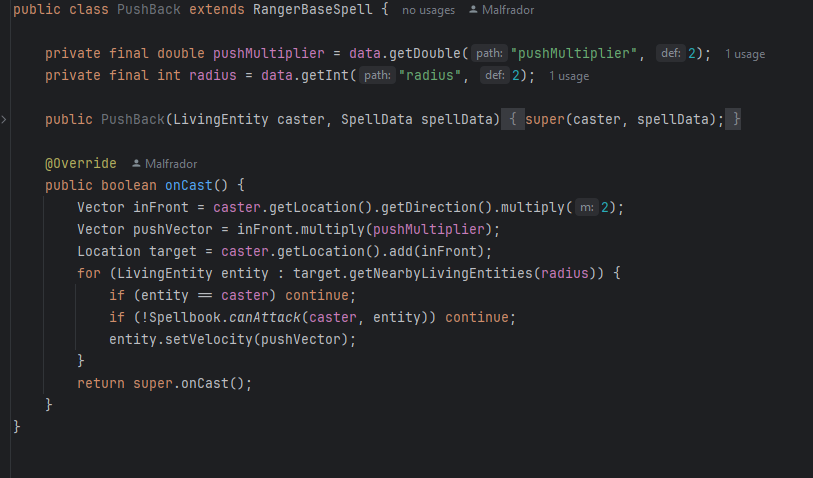
Papyrus is built on Paper, but maintaining a server fork is its own engineering problem: working with Git patch workflows, reading deobfuscated Minecraft and Paper source, understanding undocumented internals, and keeping custom behavior compatible with upstream changes.
This work built a better understanding of large unfamiliar codebases, Git patch maintenance, and server internals.
Server performance
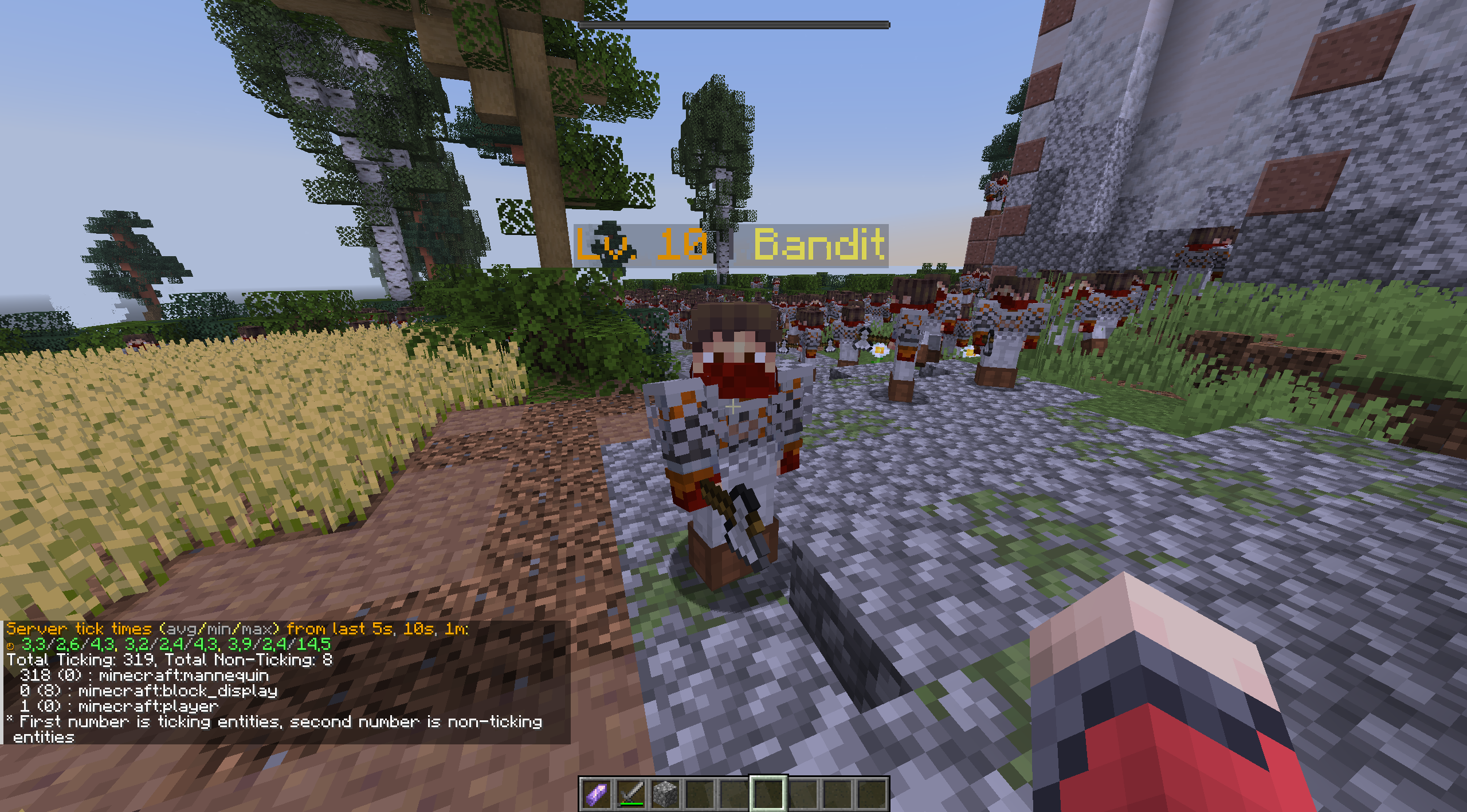
Papyrus also had to handle large numbers of custom NPCs without eating the server tick budget. The test here shows roughly 300 attacking NPCs while the server stayed around 3ms per tick in the measured window.
This kind of test is important because RPG systems only matter if the server can still run them under real encounter load.
Runtime systems
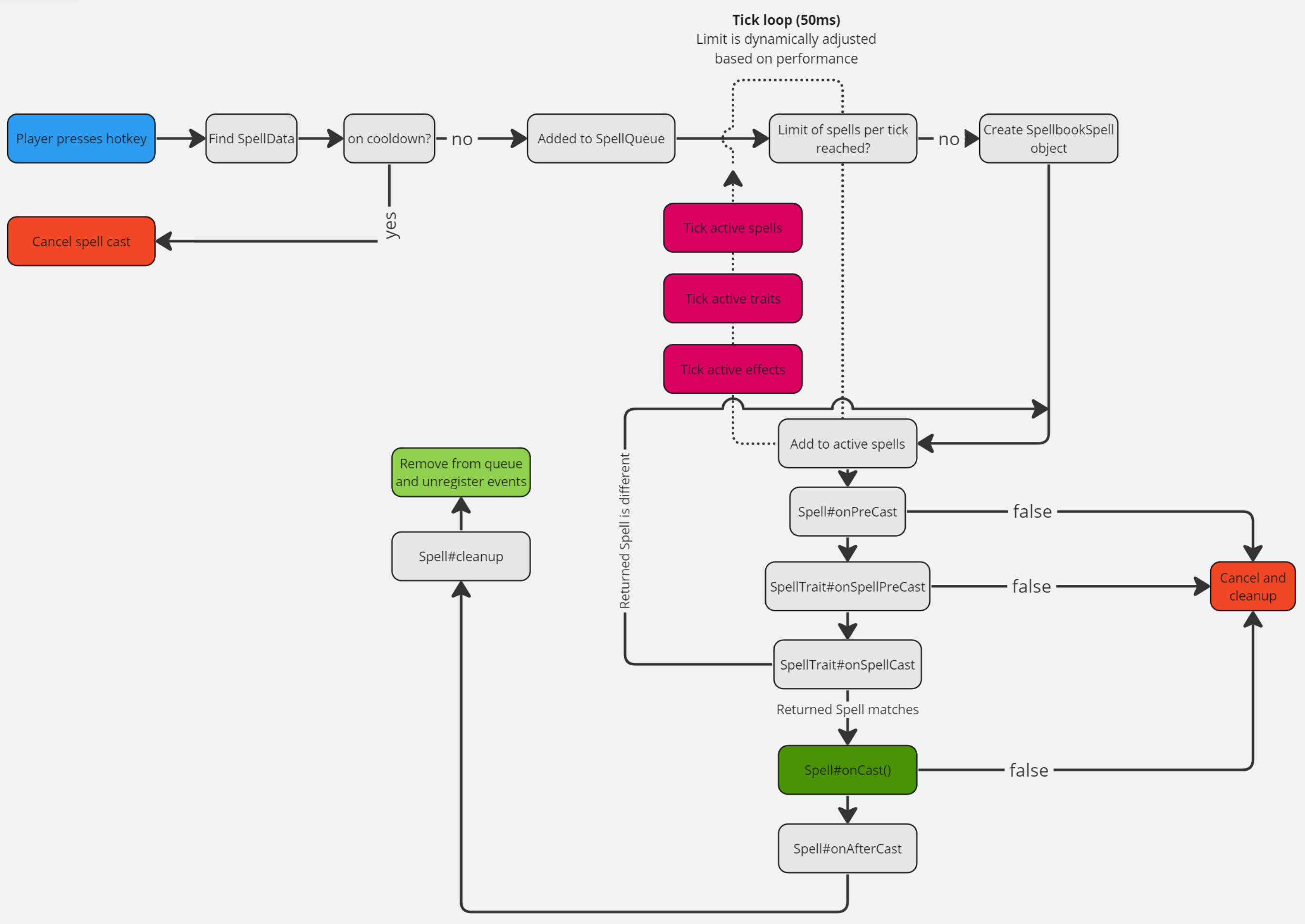
Spellbook schedules skill activations across server ticks to keep combat responsive while distributing load across many entities.
Combat remains understandable and fair even when many players and NPCs use abilities.
RPG systems
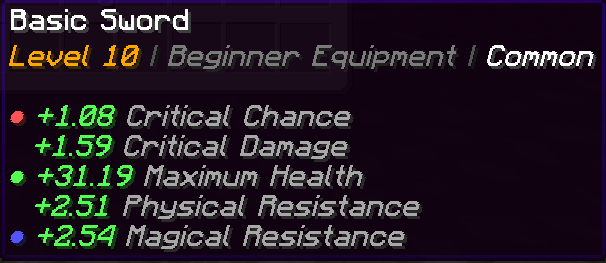
Items, stats, rarity, levels, and generated modifiers are part of the configurable RPG layer. The goal is the same as with quests and events: keep the game rules data-driven so balance changes do not require rewriting core code.
The item layer gives the RPG economy and progression systems more room to be tuned through data.
Game design
Designed parts of the combat model, faction economy, progression structure, and PvP territory loop so the RPG systems had clear player-facing goals.
The design work connected custom systems to concrete reasons for players to build, fight, trade, and cooperate.
Game design systems
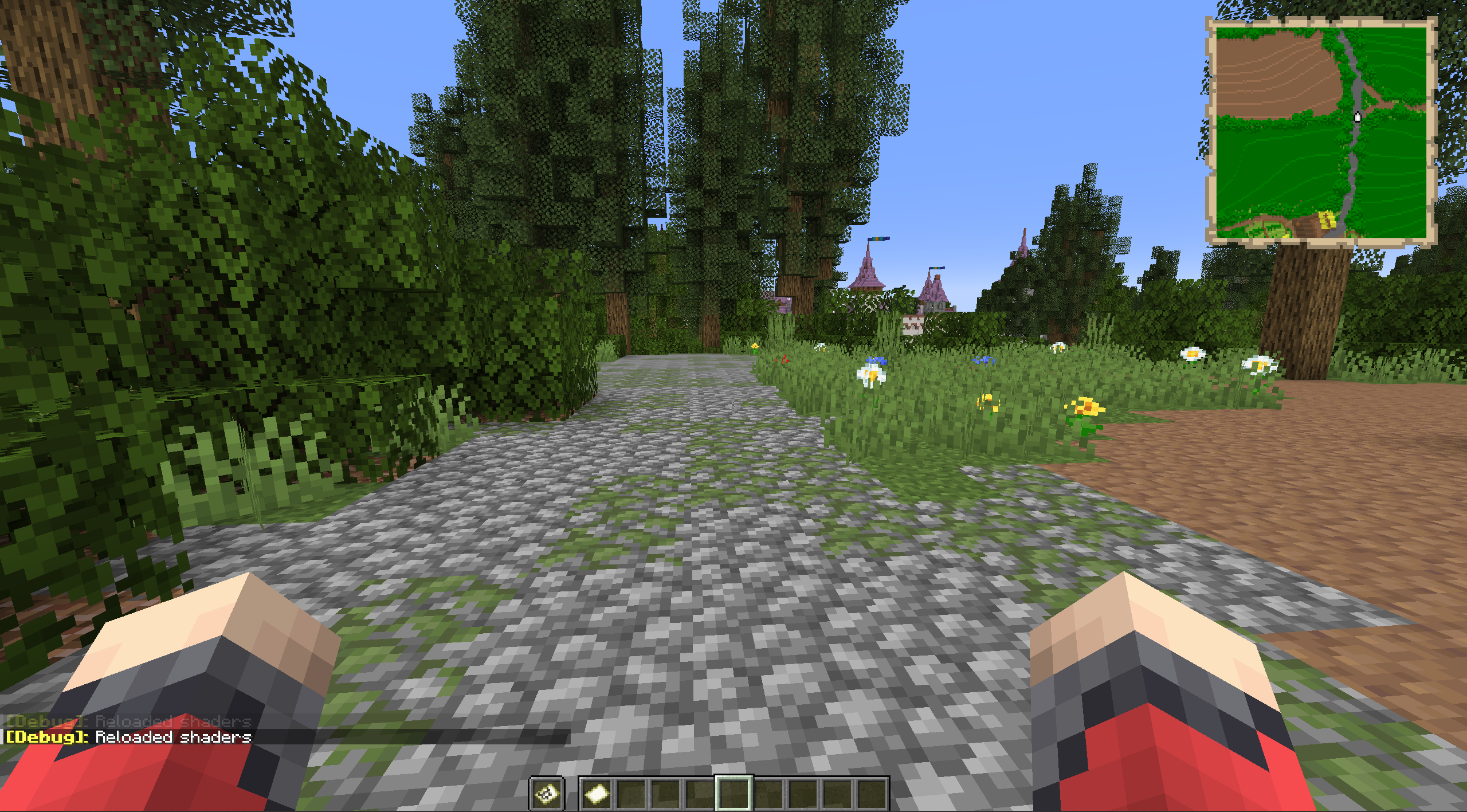
Mobs, faction buildings, economy outputs, events, and balance values are exposed through configuration so designers can iterate on the world without rebuilding the server.
Designers can tune economy and world behavior through data while players still get the freedom of sandbox construction.